

Orleans MA Parking Rules: Fines, Permits, Maps & Tips
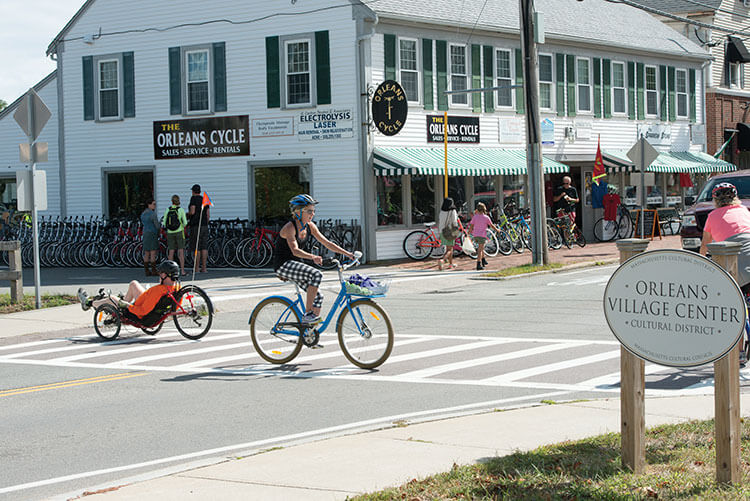
Orleans parking rules apply to town ways, town landings, and town parking lots, and they are enforced year-round by the Police Department. Most listed parking violations carry a $50 fine, while parking in a handicapped space without a valid placard carries a $100 fine. From June 15 through September 15, several town landings and road segments require a valid resident parking permit during daytime hours.
Beach parking at Nauset and Skaket runs on a separate seasonal sticker and daily pass system, so the rules that cover a downtown space are not the same ones that cover a beach lot.
This guide explains what you need to know before you park anywhere in Orleans: the common violations and what they cost, which spots need a resident sticker and when, where year-round no-parking zones sit, and how tickets and towing work. It also points you to the official town pages so you can confirm any detail that changes from season to season.
Quick Answer: What to Know Before You Park in Orleans
Park facing the direction of travel, stay clear of hydrants and fire lanes, and never block a driveway or sit inside an intersection. Those four habits avoid most $50 tickets. If you are visiting a town landing or a restricted residential street between June 15 and September 15, check for a resident-sticker sign before you leave the car.
If you are heading to the beach, you need a town beach sticker or a daily gatehouse pass, not a parking sticker. When a sign and this guide disagree, the sign wins, because posted signage reflects the current adopted rules.
Official Sources and When This Was Last Checked
The rules described here come from the Town of Orleans Parking Rules and Regulations, adopted by the Select Board on May 19, 2021 and last revised on April 26, 2023. That document governs parking and use of town ways, town landings, and town parking lots, and it is the legal basis for every fine listed below. You can read the full ordinance through the Town of Orleans parking page and on the Orleans Police Department parking rules page.
Last checked: June 2026. The parking ordinance was revised April 26, 2023, and sticker availability changes each season. The Sticker Office confirms 2026 to 2027 stickers are available, so seasonal details below reflect the current cycle. Always verify dates and restrictions against the official pages before a trip, since the town updates enforcement maps and sticker windows annually.
Common Parking Violations and What They Cost
Almost every parking violation in Orleans carries a flat $50 fine. The single exception is parking in a handicapped space without a valid placard, which costs $100 and is the steepest penalty on the schedule. Knowing the $50 list is the fastest way to stay out of trouble.
The most common ways to earn a $50 ticket are parking the wrong way against traffic, leaving less than ten feet of clear travel lane, blocking a driveway or private road, and parking within twenty feet of an intersection.
The town also fines drivers who park inside an intersection, in a crosswalk or on a sidewalk, in a bus stop or taxi stand, in a marked safety zone, or more than one foot from the curb. Double parking next to another vehicle is always illegal, and so is obstructing traffic at an active construction site even when no sign is posted.
Fire safety carries the same $50 penalty but a higher towing risk. Parking within ten feet of a fire hydrant or inside a marked fire lane blocks emergency access, and these spots are often painted or signed in red. Electric-vehicle drivers should note that zero-emission spaces near EV charging stations are reserved use, and parking a non-charging vehicle there is also a $50 offense.
Two seasonal categories round out the list. Parking in a designated snow removal area while plows are operating is a $50 violation in the colder months, and parking without a valid resident permit in a sticker-only zone is a $50 violation in summer. Every fine can be paired with towing at the discretion of the Police Chief when the vehicle creates a safety hazard.
Resident Sticker Areas: June 15 to September 15
A resident parking permit, also called a resident parking sticker, is required at several town landings and road segments from June 15 through September 15. Enforcement on the restricted residential streets runs from 9:00 a.m. to 5:00 p.m. during that window, and signage at each location marks where the restriction applies. Without a valid sticker in these spots, you risk a $50 ticket.
Town landings that require a resident sticker in season include Cove Road Landing, Doane Road Landing, Mill Pond Landing, Priscilla Landing, River Road Landing, Snow Shore Landing, and Tonset Landing, along with the parking area at 17 Wildflower Lane.
The restricted residential street segments include the northerly side of Mill Pond Road for roughly 400 feet from the town landing, the westerly side of Priscilla Road from Iyanough to Alden, the easterly side of River Road from Lucy's Lane to the landing, the northerly side of Snow Shore Road from the landing to Seal Lane, and the northerly side of Tonset Road from the landing to Weeset Proprietors Lane.
These landings serve boaters, paddlers, shellfishers, and walkers, and the resident-only rule keeps the small lots open for the people who live nearby. A resident landing permit and a beach parking sticker are separate stickers for separate uses, even though the same Sticker Office sells both. If you plan to use a landing during the summer window, confirm the sticker requirement for that exact date and location before you go.
Year-Round No-Parking Zones
Some Orleans streets carry a permanent no-parking rule that has nothing to do with the summer sticker season. Resident-sticker zones change between in-season and off-season, but these zones are off-limits to everyone at all times unless signage says otherwise.
Year-round no-parking applies to the westerly side of Mill Pond Road, the westerly side of River Road, the southerly side of Snow Shore Road, both sides of Priscilla Road along designated stretches, both sides of Wildflower Lane, and Portanimicut Landing. School Road bans trailer parking on either side at all times. Several of these roads are narrow or sit beside sensitive shoreline, so the no-parking rule protects sightlines, emergency access, and the road shoulder itself.
The practical takeaway is to separate two ideas in your head. A resident-sticker zone means residents may park there with a valid permit during the season. A year-round no-parking zone means no one parks there, sticker or not. Read the sign carefully, because some streets have both a sticker-restricted segment and a separate no-parking segment.
Beach Parking vs. Town Parking Rules
Beach parking in Orleans runs on its own system, separate from the parking ordinance that covers streets and landings. The town beaches, including Nauset Beach and Skaket Beach, require either a valid town beach sticker or a daily hangtag bought at the gatehouse on enforcement days. Beach enforcement hours run from 7:30 a.m. to 4:30 p.m., and parking is free after 4:30 p.m. once the gatehouse closes.
The Sticker Office, located at the DPW and Natural Resources building at 40 Giddiah Hill Road, sells beach, transfer-station, and over-sand-vehicle stickers. For the 2026 season the office is open from May 12 through September 4, Monday through Friday, 9:00 a.m. to 1:00 p.m., and 2026 to 2027 stickers are also available online.
Because pricing, pass types, and exact dates shift each year, this guide does not lock in sticker fees. For current sticker costs, purchase options, dog rules, and shellfish permits, see the full guide to Orleans beach passes, permits, and fees.
Rock Harbor is the notable exception. Parking at Rock Harbor Beach is free, with no daily fee or beach sticker required, which sets it apart from Nauset and Skaket during the season. If you want beach-specific arrival times, tide notes, and lot tips, the dedicated guides go deeper than this page should: see the Nauset Beach guide, the Skaket Beach guide, the Rock Harbor Beach guide, and the broader Orleans beaches hub for planning a full beach day.
Where to Park in Orleans
Think about your day in three zones: downtown, the beaches, and the landings. Each has a different rhythm, and planning around all three keeps you from circling for a spot.
Downtown Orleans is compact and walkable, clustered along Main Street and nearby roads. You will find public lots that serve the business district, on-street spaces with posted time limits, and private lots reserved for customers or tenants.
Treat downtown as your hub: park once in a public lot, then walk to shops, restaurants, the Jonathan Young Windmill, and the Chamber visitor center at 44 Main Street. Respect "Customer Parking Only" and "Permit Parking Only" signs even when a lot looks half empty, and watch the posted time limits, since short-stay spaces are not all-day spaces.
The beach lots at Nauset and Skaket are the busiest in town and fill by mid-morning on summer weekends. Arrive early, keep your sticker or daily pass visible, and check whether your pass works at more than one beach the same day.
The landings offer smaller lots that matter most to boaters and walkers, and many require a resident sticker in season or limit how long you can stay. Park only in marked spaces at a landing, avoid shoulder parking that narrows the road, and leave room near curves and driveways. If you would rather skip beach-lot congestion entirely, biking in Orleans is a practical way to reach the shore without a parking space at all.
Parking Tickets, Payment, Appeals, and Towing
If you get an Orleans parking ticket, follow the instructions printed on the ticket itself, since that is the reliable path to payment and appeal. The ticket states how long you have to pay before late fees apply, the accepted payment methods, and who to contact if you believe the citation was issued in error. Paying promptly avoids added fines, collection fees, and registration holds down the road. Verify any payment or appeal step through official Town of Orleans or Orleans Police Department channels rather than relying on third-party claims.
Towing is not automatic for every violation, but certain situations make it far more likely. Vehicles may be towed at the direction of the Police Chief when they block driveways or private roads, obstruct fire lanes, hydrants, or safety zones, narrow a travel lane below the clearance emergency vehicles need, sit in a snow removal area while plows are working, or interfere with construction or emergency operations.
These towing triggers all tie back to public safety and emergency access, so the "just running in for a minute" excuse does not hold up when the car blocks a hydrant or a fire lane.
Enforcement is handled by the Police Department and designated parking enforcement officers, who patrol time-restricted downtown zones, summer sticker-only areas, no-parking and safety zones, and seasonal snow removal areas. During peak season, expect officers to be especially active near the beaches, the landings, and downtown.
Orleans Parking Map and Planning Tips
The Town of Orleans publishes parking enforcement maps that show landings, restricted segments, and current restrictions in one place. Review the official parking enforcement maps before a trip so you can see which landings need a resident sticker and where the year-round no-parking zones sit. The Orleans Police Department also maintains a town landings and access points page that lists access points and their rules.
For a printed map and a quick rundown during your visit, stop by the Chamber visitor center at 44 Main Street. A map helps most when you are stringing together multiple stops in a day, a downtown lunch, a beach afternoon, and a landing walk, because it lets you stage your parking instead of guessing at each stop. Cape Cod parking rules vary from town to town, so do not assume an Orleans permit, the parking hours, or the overnight rules carry over when you cross a town line.
Final Parking Checklist
Before you lock the car, run through five quick checks.
- First, read the posted sign, because it reflects the current rule and overrides any guide.
- Second, confirm the date if you are at a landing or restricted street, since the resident-sticker window runs June 15 to September 15.
- Third, check your sticker status, a resident permit for landings or a beach sticker for the beach, and remember they are different.
- Fourth, look for hydrants, fire lanes, and driveways within reach of your bumper, since those carry the highest towing risk.
- Fifth, when anything is unclear, check the official town parking page rather than guessing.
Knowing where and when to park keeps you out of a $50 ticket and helps preserve the access that makes Orleans work for residents and visitors alike. If you are planning a summer visit and want help sorting beach stickers, landings, and downtown parking before you arrive, reach the Orleans Chamber visitor center for current local guidance, or review the full Orleans beach passes, permits, and fees guide to handle your stickers before you go.