

Fishing Orleans MA: Seasons & Shore Access
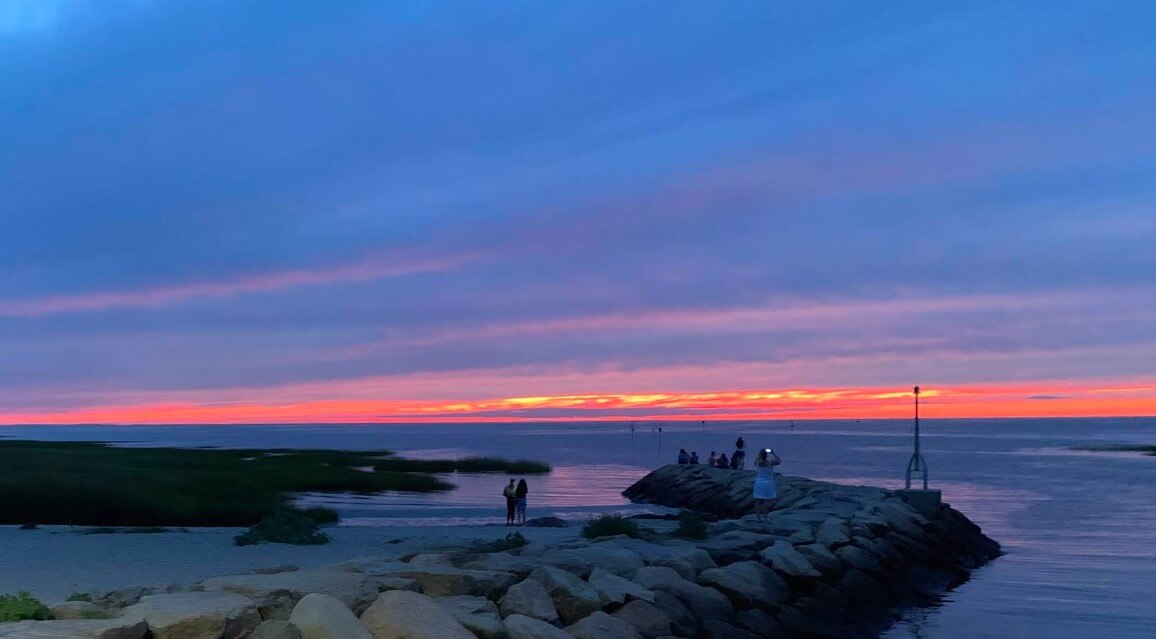
Orleans fishing rewards patient timing, smart tide choices, and respectful use of public access. The fastest path to steady results pairs seasonal species patterns with safe surfcasting technique and a simple plan for parking, permits, and conservation.
Orleans sits between the Atlantic at Nauset and the broad flats of Cape Cod Bay at Skaket, with ponds, estuaries, and town landings that let visitors fish close to parking and amenities. This guide focuses on Orleans fishing for shore anglers who want practical, current information on seasons, public access, tackle strategy, and local etiquette that protects wildlife and keeps beaches open.
How Orleans Fishing Works Through the Year
Spring striper arrival and early season tactics
Spring brings migrating striped bass into Cape Cod waters, with schoolies showing first in protected estuaries and creek mouths before larger fish cruise open edges. Orleans anglers work soft plastics on jig heads near current seams, then scale up leaders and lures as water warms.
Calm mornings provide reliable sightlines for bird activity that often signal bait concentrations at a distance. Cooler nights persist in April, so shallow backwaters and marsh outflows warm first and produce steady action on smaller presentations.
Summer surf windows on both coasts
Summer unlocks pre-dawn surf bites on the Atlantic-facing bar lines and evening topwater on the bay side when bait pushes shallow. Southwesterly breezes rise through the afternoon, so anglers build sessions around dawn and dusk for comfort and consistent water clarity.
On Cape Cod Bay, gentle slopes and tidal pools allow family friendly wading and light-tackle sampling for fluke, scup, and schoolie bass during moving water. Atlantic swell days demand conservative positioning, small gear footprints, and steady attention to sets while casting.
Fall run momentum and winter holdovers
Early fall layers in bluefish and stronger striper pushes as bait moves along the beaches. Focus turns to structure lines that compress bait against bars and troughs, with metals and plugs covering water to find active pods. October often delivers the widest quality window for mixed catches from shore.
Late fall and early winter bring calm-day shots at sea ducks offshore and scattered bass in estuarine pockets. Cold-water safety and short, targeted sessions matter as the season winds down.
Public Shore Access and Wayfinding
Atlantic-side approaches near Nauset
Nauset’s long shoreline presents classic surf structure with shifting bars, rips, and deep bowls shaped by storms. Anglers walk beyond lifeguarded zones outside beach hours and position on safe, dry sand above the uprush. Seasonal protections for beach-nesting birds create posted closures that route foot traffic along designated corridors.
Trip planning improves when you preview the Orleans overview of Nauset Beach for access context, seasonal notices, and shoreline orientation before choosing a stretch to fish.
Bay-side flats at Skaket and adjoining coves
Skaket’s tidal flats open broad, ankle-deep meadows of sand and channels that concentrate bait and small predators on falling tides. Light jigs, small paddle tails, and sandworm-tipped rigs pick through scup and schoolie bass near channel edges, then the return tide pulls fish back toward shore for a short dusk window.
Flat water and gentle grades make this an approachable venue for families learning current and drift. For site rhythms, parking notes, and seasonal nuances, local postings at the lot help you time a clean entry and exit.
Shore Fishing Spots Orleans MA
The most reliable shore fishing spots Orleans MA anglers lean on are “spot types,” not single pins on a map: flats edges, outflow corners, and beach structure. On bay-side water, start by walking until you can see a defined channel line or a subtle trough that holds flow when the flats drain. Cast parallel to that edge and keep your offering in the seam; that’s where bait gets funneled, and it’s where light tackle shore fishing Cape Cod can shine with smaller jigs and slim plugs.
For wading flats fishing Cape Cod, treat depth changes like rails. Shin-deep water can be productive, but only when it has a nearby drop that refreshes it with current. If the flat is lifeless and still, move until you find moving water, tiny V-wakes, nervous bait, or birds picking on the drift.
On the Atlantic-facing side, think in thirds: dry sand for footing, the wash line for observation, and then the first safe casting position where a bar cut or rip lane “breathes” consistently. If the surf is heavy or the longshore sweep is ripping, step back from wading ambitions and fish from higher, drier angles. For bay timing notes and access rhythm, use the Skaket Beach guide as a quick orientation before you commit to a tide window.
Town landings and simple staging for families
Orleans town landings position anglers near coves and marsh outflows with short walks that work for kids and coolers. Lots and lane rules change across the year, and overnight restrictions vary with season and location.
When a session starts at a beach or landing, a quick look at current Orleans parking rules prevents tickets and mid-trip relocations. Families benefit from staging near restrooms and from consolidating gear into one backpack and a simple rod bundle to keep transitions calm.
Tides, Safety, and Conservation
Reading water and timing tides for Orleans
Tide sets the table on both coasts of Orleans. On the bay side, falling water exposes troughs and channels that show exactly where to cast, then rising water compresses fish against the last sandbars near sunset. Atlantic timing hinges on swell, longshore current, and bar edges that reveal where water breathes back into cuts. Twelve to eighteen inches of clarity supports topwater and swimmer plugs near surface bait, while stained water favors metals and needlefish that cut through chop.
Best Time to Fish in Orleans MA
The best time to fish in Orleans, MA, is when moving water overlaps with low light and a wind that keeps your chosen shoreline fishable. In spring, the striped bass migration up Cape Cod tends to show first in protected edges, marsh outflows, creek mouths, and estuaries then expands to open beach structure as water warms. Build spring fishing Cape Cod shore sessions around the first consistent bait presence and the strongest current periods, not the warmest afternoons.
On Cape Cod Bay, fishing tides are easiest to “see” because the flats expose the day’s channels and troughs on the drop. Fish the last of the outgoing to locate edges, then return for the push of the incoming when bait rides shallow and bass cruise inside casting range. On the Atlantic coast, prioritize bar cuts, rip lanes, and any trough that stays darker during bright sun.
For fall fishing on Cape Cod shore, commit to dawn, dusk, and overcast days when bait congregates, and predators pin it against sandbars. If you’re trying night fishing on Cape Cod beaches, keep it simple: pick a safe, familiar access, fish the cleanest current seam you can identify in daylight, and let sound and steady retrieves do the work.
Beach safety, surf etiquette, and closures
Safe surfcasting begins with conservative footing on dry sand and a constant eye on the set pattern. Hooks stay covered or crimped when walking through crowded sections, and anglers yield to swimmers and beach walkers. Seasonal roped closures protect nesting plovers and terns on open sand, and anglers stay outside these zones while moving along the tide line.
Night sessions require headlamps angled low to preserve night vision and to avoid blinding others on the beach. Local conditions change quickly in summer, so checking the same-day Orleans weather covers wind shifts, fog, and lightning risks that end sessions early.
Responsible harvest and handling
Regulations keep fisheries resilient and safe for future seasons. Specific size and bag limits, including the striped bass slot, change as managers update stock guidance. This guide avoids listing measurements to prevent outdated advice. Verify the current numbers before you fish at the official Massachusetts recreational saltwater fishing regulations page. Shore anglers who plan to harvest should carry a soft tape to confirm length.
Quick, low-stress releases protect undersized and out-of-slot fish. Bare wet hands, a single quick photo at water level, and immediate revival facing the current preserve gills and slime layers. Many Orleans anglers crimp barbs or swap to in-line single hooks on plugs to simplify dehooking near surf.
A permit matters for anyone 16 or older who fishes saltwater in Massachusetts. Buying a Massachusetts saltwater fishing permit documents participation and funds conservation programs, and reciprocity helps many travelers who fish in neighboring states. Permits expire on December 31 each year, so confirm status before your trip.
Beach Fishing Regulations Massachusetts
Beach fishing regulations for Massachusetts visitors trip over are usually about access and conduct, not tackle. Start with the basics: make sure your saltwater permit is active, then verify current slot limits and bag limits for any species you might keep before you leave the driveway. Rules can change mid-season, and Orleans is not the place to guess when you’re holding a fish at the waterline.
Next, treat posted closures as immovable. Nesting-bird ropes, dune paths, and corridor signs aren’t suggestions, and they often shift with conditions. If you’re fishing inside protected areas like the Cape Cod National Seashore, follow Massachusetts requirements plus any site-specific restrictions.
For night fishing practices, keep beams low, voices down, and your walk line predictable so others can pass safely. If you encounter “private beach” messaging, remember that Massachusetts shoreline access rules are unusual and can hinge on tide lines and allowing activities like fishing, so default to marked public access points and avoid cutting across posted private property.
For local logistics that affect access, check the town’s permits and fees page before you plan a multi-stop day.
Gear, Rigs, and a One-Page Checklist
Surfcasting basics without brand bias
A simple two-rod plan covers most Orleans scenarios from shore. A medium-heavy surf rod around nine to ten feet throws one to two ounce lures into headwinds and works swimmers, pencils, and metals over bars. A medium seven to eight-foot inshore rod throws quarter to three-quarter ounce jigs and small plugs with finesse around calm pockets, creek mouths, and flat edges.
Leaders in the thirty to forty-pound class protect plugs from abrasion on sand and small cobble, and twenty-pound leaders keep light presentations supple when the water lies flat.
Plugs that earn space in a minimalist bag include pencil poppers, spooks, metal-lip swimmers, slender swimmers, tins with teasers, and needlefish for sweepy currents. Soft-plastic paddle tails on jig heads cover estuary edges and flat drop-offs. Sandworms or clams on simple high-low rigs attract scup and the occasional fluke on the bay side when the current moves.
Surf Fishing Cape Cod Beginners
Surf fishing Cape Cod beginners do best in Orleans by matching the rig to the job: one setup for current and distance, another for controlled drifts in calmer water. Your goal is not complexity, it’s keeping the lure in the strike zone while the sweep tries to pull it out. In clean surf, present higher in the water column so fish can find it; in churned water, choose profiles that track straight and stay detectable.
Here’s a simple, proven set of surf fishing rigs Cape Cod anglers can fish without overthinking:
- A 24–36 inch leader with a strong clip for swimmers, metals, and needle-style lures in surf sweep
- A lighter, longer leader for small paddle tails and soft plastics in calmer seams and bay edges
- A high-low bait rig for scup and the occasional fluke when you want to “soak” in moving bay water
- A teaser above a metal lure when bait is small and fish are keyed high in the wash
- A single-hook swap plan (in-line singles) when you expect tight quarters or nighttime handling
Keep retrieves deliberate: cast slightly up-current, come tight, then let the lure swim under tension across the seam before you speed up near the end. That single habit fixes most beginner problems fast.
Light-tackle strategies on the flats
Shallow water demands stealth. Long casts down current edges drift baits naturally across seams, and gentle hops turn paddle tails into sand-eel mimicry. Sightlines often allow visual tracking of pushes and wakes across shin-deep water. Incoming tides bring fish within easy reach near shore, while outgoing tides pull life off the flats and gather strikes along the first channel break.
The single checklist to print and pack
- Valid permit, soft tape, small pliers, short leader wallet, and a compact first-aid kit
- Two-rod plan with spare leaders, clips, and two extra jigs or tins for wind shifts
- Headlamp with red mode, reflective strip on pack, and a whistle for low-visibility communication
- Light layers, sun protection, drinking water, and a small trash bag to leave no trace
- Phone with an offline tide table, beach map, and a backup plan if wind or crowds shift your session
Planning Notes for Families and First Timers
Family sessions work best inside two-hour windows centered on moving water. Short walks and simple rigs keep kids engaged, and a defined finish time prevents fatigue. Orleans beaches use seasonal rules for dogs, fires, and vehicle access that change across the year.
A quick local read on the day you go keeps the mood relaxed and avoids rule surprises. Crowds compress space near lifeguarded areas in summer, so early mornings and shoulder seasons deliver more room to move.
Parking, permits, and public facilities vary by location. The town maintains information for passes and seasonal restrictions, and Cape Cod National Seashore posts daily updates for closures and wildlife protection. A simple staging routine at the car reduces chaos at the waterline: rods on top, bag with leaders and tools handy, and footwear that tolerates long, wet walks.
Visitor Logistics in Peak and Shoulder Seasons
Peak summer concentrates ideal fishing into low-light windows when temperatures drop and crowds thin. Shoulder seasons provide roomy beaches, easier parking, and calmer planning that helps families learn at a relaxed pace.
Wind direction shapes venue choice across the peninsula. Southwest sea breezes favor sheltered bay corners, while northerly winds flatten the Atlantic for rare glassy mornings. Cold fronts sharpen visibility and spark bait movement that feeds classic fall runs.
A final pass through beach notices when you arrive prevents wrong turns. Lifeguard stands and posted boards list daily conditions and any new restrictions. Rangers and beach staff appreciate clear questions about closures and safe walking lines, especially during nesting periods. Respectful behavior protects wildlife, preserves access, and maintains a welcoming culture for anglers and non-anglers alike.
Conclusion
Orleans fishing thrives on timing, gentle observation, and simple gear. Pick the coast that fits the day’s wind and tide, walk to safe positions, and fish with respect for wildlife and other beach users. Public access, seasonal rhythms, and conservation rules give visitors and families a clear path to rewarding shore sessions without complication.