

Birding in Orleans: Best Spots & Seasons
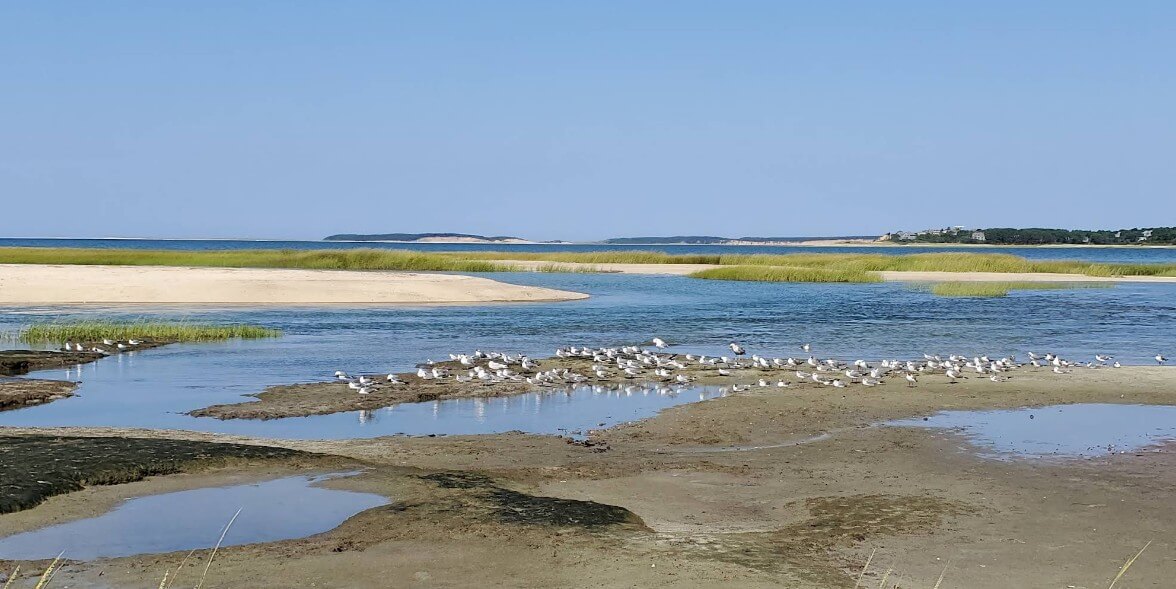
Birding in Orleans centers on sheltered bays, broad tidal flats, and marsh edges that collect shorebirds, terns, and raptors through all four seasons. The most reliable results come from syncing visits with tides and migration windows, then choosing sites like Nauset and Skaket that funnel birds into view while you follow simple beach nesting protections.
Orleans sits where Cape Cod Bay, Nauset Marsh, and inland ponds create a tight cluster of habitats within short driving distances. Visitors build rewarding days around sunrise or late afternoon light, plan for tides and wind, and keep posted routes that protect vulnerable species during nesting and staging periods.
Orleans Birding Overview
Core habitats and how they shape sightings
Orleans offers three habitat frameworks that consistently produce: open Atlantic shoreline at Nauset, expansive tidal flats on the bay side at Skaket, and sheltered inlets and coves around The River, Frost Fish Cove, and Lonnie’s Pond. Atlantic surf focuses gulls, terns, and nearshore loons just beyond the break, while the Nauset Marsh side channel concentrates herons, egrets, and salt marsh sparrows on quiet tides.
Bay flats at Skaket expose wide feeding zones for sandpipers and plovers during falling and low tides, then gather mixed flocks onto high-tide roosts.
Freshwater and brackish ponds around town round out checklists during migration with swallows, warblers, and occasional waterfowl. Short drives between these habitats allow rapid pivots when wind and glare shift.
Timing windows for migration and wintering birds
Peak spring movement reaches Orleans from late April through May, when terns and shorebirds surge along the coast and salt marshes green up. Summer produces a distinct second wave as southbound shorebirds arrive as early as mid-July and peak through August.
Fall layers in hawk flights, sparrow concentrations, and early sea ducks across September and October, followed by stronger loon and eider presence through late fall. Winter settles into steady sea duck, alcid, and gull watching during calm windows with clear horizon views.
Weather, tides, and light for optimal viewing
Tide timing controls shorebird access on both coasts of Orleans. Low to rising tides on the bay side reveal foraging lines across Skaket’s sandbars and pools, while moderate to high tides compress birds into roosts closer to the beach.
Atlantic side viewing benefits from clear light on the waterline and lighter winds that keep scopes steady. A quick check of Orleans weather shapes clothing layers, wind exposure, and surf visibility before you head out.
Best Birding Sites in Orleans
Nauset Beach and the Nauset Marsh gateway
Nauset Beach frames the Atlantic edge of Orleans with sweeping sand, strong horizons, and seasonal access that intersects with beach nesting management. Morning light often lands cleanly on nearshore birds, and late-day backlight can silhouette diving gannets and passerby shearwaters offshore when seas run calm. The nearby Nauset Marsh gateway inside the Cape Cod National Seashore provides trails and overlooks that face sheltered water where herons, egrets, and shorebirds stage at gentle tides.
Trip planning improves when you preview site context through the Orleans guide to Nauset Beach, then pair that with current seashore postings at the trailhead.
Skaket Beach tidal flats and bay roosts
Skaket’s long, shallow flats produce classic shorebird watching with safe footing and generous sightlines. Falling tides reveal feeding lanes for semipalmated sandpipers, short-billed dowitchers, and black bellied plovers, then rising water nudges flocks toward narrow bars and wrack lines where counts become easier.
Calm mornings reduce shimmer and allow scope work without strain. Learn the site’s rhythms and parking considerations with the Orleans overview of Skaket Beach, then time arrival near lower water for maximum feeding activity.
Kent’s Point and nearby coves
Kent’s Point Conservation Area sits on a peninsula surrounded by Frost Fish Cove, The River, and Lonnie’s Pond, which positions birders over quiet water at multiple angles. Osprey activity peaks in warm months, and winter often brings bufflehead and goldeneye to sheltered reaches when winds rise on the bay and ocean. Short trails and benches make this a family-friendly stop before or after a flats session.
Beginner ID, Optics, and Photo Tips for Birdwatching in Orleans
Orleans sits on the Atlantic Flyway and mixes Atlantic surf, tidal flats, and freshwater ponds, beginners can see both local bird species Orleans and migratory birds Orleans on a single outing. Choose one spot for unhurried birdwatching Orleans, such as a marsh edge near Skaket or a sheltered pond and watch how flocks feed, preen, and lift off over ten or fifteen minutes.
Notice size, bill shape, leg colour, and posture before you open a guidebook; these basic bird identification tips help you separate Semipalmated Plovers from Dunlin on the flats or Common Eiders from scoters riding the Nauset surf. Skills you build here transfer easily whenever you go bird watching Cape Cod in nearby towns.
A few proven binocular tips for birding make each scan feel steadier and more effective. First, find the bird with your naked eyes, then bring the binoculars straight up without looking down so terns, loons, or hunting Merlins stay in view. Set the eyecups and strap so the binoculars sit comfortably, keep your elbows close to your body, and roll the focus wheel until feather edges sharpen.
For distant sea ducks, gannets, or a Parasitic Jaeger passing Nauset in migration, a light scope on low power helps with horizon scanning birds, while hand-held binoculars work well for closer sandpipers, plovers, and herons on ponds and marsh edges.
Simple photography tips for birdwatching can turn a normal scan into a useful record without pulling you away from the birds. Use natural light instead of flash, stay outside any roped nesting zones, and let flocks approach you as they feed or preen.
On calm summer mornings, soft side light at Skaket shows patterns on sandpipers and dowitchers, while late-day glow at Nauset can silhouette gannets, shearwaters, and even Snowy Owls on the dunes in some winters, classic coastal birds Cape Cod highlights often feature. Short bursts of photos followed by longer stretches of watching help you study tidal bird behaviour, such as the moment when feeding shorebirds tighten into a cluster at the water’s edge or lift off together when a raptor moves overhead.
Seasonal Guide to What You Will See
Spring arrivals and beach nesting protections
Early spring starts with gulls, loons, and gannets along the Atlantic, then accelerates with terns, plovers, and willets on the marsh and beaches. Piping plovers and least terns begin nesting on open sand, which triggers roped closures and signage to protect eggs and chicks.
Sightlines remain excellent from designated areas, and distant observations still reveal courtship, foraging, and chick movement without disturbance. Staying outside symbol roped lines and respecting leash rules where posted keeps viewing ethical and productive.
Summer shorebirds on the move
Southbound shorebirds build across Orleans from mid-July into August. Skaket flats collect mixed flocks that shift with every inch of water level, while Nauset Marsh edges host yellowlegs, dowitchers, and peeps in quieter backwaters. Heat shimmer softens detail on long looks at midday, so most birders target mornings or late afternoons. Gentle sea breezes and flat water produce the best chances to separate similar species by structural cues and feeding style.
Fall raptors, sparrows, and seabirds
Cooler air unlocks classic fall birding. Kettling hawks rise on inland thermals before sliding seaward, sparrows move through dunes and edges, and the first scoters and eiders stage offshore. Clear visibility days after fronts allow long scans from the Nauset shoreline for loons, alcids, and passing gannets. Marsh edges continue to produce egrets and late shorebirds until the first hard frosts push bait and birds deeper into coves or farther south.
Responsible Birding and Practical Planning
Etiquette near nesting areas and roped closures
Beach nesting protections create clear viewing boundaries during spring and summer. Rangers and town staff post symbolic fencing and signs that indicate active nesting zones. Observers maintain respectful distances, avoid playback, and give birds the right of way on the wet sand when flocks shuttle between feeding and roosting.
Dogs remain on leash where permitted and outside posted closures. Footprints and kite shadows can trigger disturbance responses, so steady walking and low profiles near foraging groups keep birds comfortable.
Family-friendly logistics, parking, and accessibility
Families new to birding thrive on simple routes and repeatable routines. Skaket offers gentle grades and firm wet sand that works for small tripods and stable footing. Nauset presents longer beach walks that reward patience with sea birds and surf fish activity that often attracts gulls and terns. Summer parking uses seasonal rules and posted hours, and shoulder seasons deliver more flexibility.
Short walks at Kent’s Point serve as strategic breaks with benches and calm water views. Restrooms cluster at the main lots during in-season periods, so plan during the winter.
Birdwatching Trails, Accessibility, and Safe Coastal Routes
Short paths, overlooks, and shoreline walks act as simple birdwatching trails that Orleans visitors can use in small sections. Flat access near Skaket and Rock Harbor leads to tidal flats where shorebirds feed, while conservation loops support birdwatching accessibility in Orleans without long walks. Town Cove and Goose Hummock offer easy viewing of Barrow’s Goldeneye, Redhead, and Bufflehead, and these spots double as wildlife viewing on Cape Cod with seals or Short-eared Owls in colder months.
For coastal birding in Massachusetts, link short walks into quick loops. Skaket and Rock Harbor show Semipalmated Plovers, Black-bellied Plovers, and Dunlin at low tide, while Nauset and Town Cove highlight sea ducks and loons. This mix gives a strong look at the coastal birds Cape Cod features. Bird Watcher’s General Store shares updates on rare birds Orleans watchers find, including Rufous Hummingbirds or Snow Geese near fields.
Use steady birdwatching safety tips: check tides on flats, avoid rising channels, stay clear of Nauset drop-offs, and choose firm sand. In cold months, plan warm breaks during year-round birdwatching in Orleans for sea ducks and owls. These steps help visitors enjoy reliable bird hotspots near Orleans.
A weather and tide rhythm anchors every day. Mornings often bring better light, less wind, and predictable bird behavior. Rising or high tides compress birds toward viewable roosts, while falling tides reveal foraging spreads. Quick checks of wind direction and gusts help you choose an ocean or bay for steadier optics and fewer heat shimmer issues.
Simple gear, safety, and a one-page checklist
A modest kit handles most Orleans scenarios. Binoculars in the 8x or 10x range, a light scope for horizon scanning, neutral layers, and stable footwear cover the essentials. Sunscreen and sunglasses matter year-round because sand and water reflect strongly, even in cool months. Parents remind kids to give space to wrack lines where flocks rest and to move slowly around shallow pools where birds feed.
One checklist to print and pack
- Binoculars, optional scope with tripod, lens cloth, spare batteries
- Tide times, wind forecast, and site map screenshots on your phone
- Sun hat, sunglasses, sunscreen, and a light wind layer
- Water, snacks, and a small trash bag to carry out any waste
- Notebook or eBird app for quick checklists and timestamps
Bird Checklist Planning and Hotspots for Rarities
A bird checklist for Orleans, MA, gives structure to a walk by recording what you find in each habitat without tying results to tides, weather, or lighting already covered elsewhere. Many visitors keep a simple list grouped by location, Nauset, Skaket, Rock Harbor, Town Cove, Goose Hummock, or nearby ponds, and then add short notes such as wind direction or cloud cover.
Checklists also show how many migratory birds Orleans attracts in concentrated bursts. Sudden increases in plovers, sandpipers, dowitchers, warblers, or sparrows become easier to recognize when you compare notes from different weeks. Records from Town Cove and Goose Hummock may track repeated sea duck movements, including uncommon birds such as Barrow’s Goldeneye, Canvasback, or Northern Pintail.
A careful checklist becomes especially helpful when you encounter rare birds that Orleans is known to produce. Previous seasons have brought Short-eared Owls on dunes, a Rufous Hummingbird at feeders, Snow Geese on fields, and other unusual sightings. When something stands out, note the exact location, time, wind, tide stage, and the details that confirmed your identification.
Comparing your notes with regional summaries and current updates helps confirm whether you have added something genuinely unusual to your list or matched an ongoing report.
Sample One-Day Birding Plan
Sunrise begins at Nauset with a quiet horizon scan for loons, scoters, and gannets when the ocean lies flat. Midmorning shifts to Nauset Marsh edges or Salt Pond overlooks inside the national seashore, where egrets, herons, and sandpipers feed on gentle tides.
Early afternoon breaks at Kent’s Point put you over calm coves for gulls, cormorants, and late-season waterfowl. Late daylight at Skaket aligns with falling water that unlocks classic shorebird behavior across the flats, followed by a high-tide roost scan before sunset.
Wayfinding and Conditions
Orleans paths and beach approaches remain straightforward for families with basic outdoor experience. Main lots and trailheads post maps and seasonal notices that update closures and sensitivities.
Dune vegetation and symbolic fencing protect fragile areas, and lifeguard stations provide helpful orientation during in-season hours. Binocular sharing turns downtime into learning moments for younger birders while you wait for a tide window.
A simple photographic plan keeps things enjoyable. Backlight silhouettes in late afternoon on the Atlantic can create striking shapes of gannets and terns in flight, while morning cross light at Skaket sharpens plumage detail on peeps and plovers. Calm days after cold fronts sharpen visibility for sea watch sessions and long scope work.
Conclusion
Orleans rewards patient, respectful birding at every time of year. Nauset delivers big water horizons for sea birds, Skaket offers textbook shorebird behavior on friendly flats, and Kent’s Point stitches in calm-water vantage points that keep families engaged.
Aligning visits with tides, wind, and seasonal windows, then following posted protections for nesting birds, turns a simple day outside into a memorable checklist and a responsible experience for wildlife and people alike.